
Funded under the Erasmus+ Capacity Building in Vocational Education and Training (CB-VET) programme, GROW focuses on strengthening vocational education systems and supporting the development of green skills that respond directly to labour market needs in Nigeria and Mozambique.
The project is coordinated by MQ – Research & Development (Portugal), an organisation with extensive experience in circular economy, sustainability, and vocational training initiatives under the Erasmus+ programme.
Responding to a Critical Industry Challenge
The construction sector is one of the largest generators of waste worldwide. However, much of this waste can be prevented, reused, or recycled through better planning, improved technologies, and skilled professionals trained in sustainable practices.
The GROW project addresses this challenge by developing a specialised training programme on the Sustainable Management of Construction and Demolition Waste, designed to equip vocational learners and professionals with the knowledge and practical skills needed to reduce environmental impacts across the construction value chain.
According to João D’Orey, Founder and CEO of MQ, the project represents an important step toward addressing both environmental and employment challenges:
“GROW responds to the growing need for sustainable construction practices while creating real opportunities for green job growth. By aligning training with industry needs, the project contributes to a more resilient and environmentally responsible construction sector.”
Aligning Skills with Industry Needs
A core element of the GROW project is its strong engagement with industry and policy stakeholders. Early in the project, workshops will be organised in Nigeria and Mozambique to bring together construction sector leaders, local authorities, and vocational education providers.
These consultations will help identify current technical expectations, emerging workforce needs, and gaps in training provision. The insights gathered will inform a comprehensive skills gap analysis, ensuring that the new training curriculum reflects the real needs of the labour market.
The resulting course combines: Theoretical knowledge on sustainable construction waste management; Practical training and work-based learning opportunities; Innovation and digital technologies; and Entrepreneurship and circular business models
Integrating Innovation and Digital Tools
Innovation plays an important role in the GROW training model. The programme will adopt a hybrid learning format, combining online and in-person training using digital platforms to support self-learning and assessments.
Participants will also gain exposure to emerging technologies used in modern construction waste management, including a dedicated training module on the use of drones and smart glasses to support digital monitoring and innovation in the sector.
Isabel Gonçalves, Project Director at MQ, highlights the importance of combining innovation with inclusive skills development:
“The GROW project brings together technical training, innovation, and inclusion to ensure that learners are equipped not only with the skills required by the construction sector, but also with the tools to create sustainable business opportunities within the circular economy.”
Promoting Inclusion and Equal Opportunities
Social and gender inclusion is a cornerstone of the GROW project. A dedicated inclusion strategy ensures equal opportunities throughout all project activities, promoting participation among youth, women, and vulnerable groups.
The project sets a minimum participation target of 30% women, both among trainers receiving capacity-building support and among students participating in the programme.
By integrating inclusion principles with skills development, GROW aims to expand access to green jobs and support improved livelihoods.
Creating Pathways to Green Employment
Through specialised training and collaboration between vocational education institutions and industry stakeholders, GROW seeks to create real employment opportunities in the construction sector.
Graduates of the programme will gain expertise in: Sustainable C&D waste management; Waste prevention, recycling, and reuse; Circular construction practices; and Digital tools and innovation in the sector
In addition, training modules on micro-entrepreneurship and circular business models will equip learners with the knowledge needed to create their own businesses within the green construction economy.
Long-Term Impact
By the end of the project, GROW aims to achieve several key outcomes: Integration of the new training course into vocational education programmes in Nigeria and Mozambique; Increased employment and self-employment opportunities for graduates; Stronger partnerships between vocational training institutions and construction companies; Expanded adoption of sustainable construction practices; and Increased participation of women and NEET youth in green skills training
Through these actions, the GROW project contributes to a more sustainable construction sector while supporting inclusive economic growth and green job creation across Sub-Saharan Africa.
Get to Know the GROW Project Coordinators
The GROW Project – Construction Waste Remediation and Recycling Vocational Training in Sub-Saharan Africa is coordinated by MQ – Research & Development (Portugal), with leadership from João D’Orey and Isabel Gonçalves, who bring extensive experience in sustainability, innovation, and vocational education.
João D’Orey – Founder and CEO, MQ
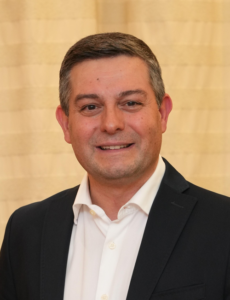
João D’Orey is a Chemical Engineer and Senior Member of the Portuguese Association of Engineers with over 26 years of experience in quality management, innovation, and organisational development. He is also an invited lecturer at the University of Coimbra, where he teaches management processes and bio-entrepreneurship, and mentors young entrepreneurs developing sustainable business models.
Isabel Gonçalves – Project Director, MQ
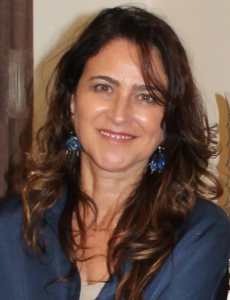
Isabel Gonçalves, an Economics graduate, serves as Project Director at MQ. With experience in industry and EU-funded projects, she specialises in circular economy, waste management, sustainability, and capacity-building initiatives. She has also been certified as a trainer of trainers and developer of educational materials since 1997.
Driving the Vision of GROW
Together, they guide the implementation of the GROW Project, ensuring that vocational training, innovation, and circular economy principles contribute to green skills development and sustainable job creation in Nigeria and Mozambique.